
Preparing for a 3000-mile human-powered trip
Updated: Dec 9, 2025
Getting the Legs Ready

After recovering from a broken toe in December and COVID in early February, Shan is back on his feet. He has been running 10-15 miles most days with some 35-45 milers throughout the week (check him out on Strava here). He practices a training philosophy of running for a purpose (i.e. pick up a prescription, get groceries, etc.). His training runs include sightseeing along country roads, runs to the track, cul-de-sac tours, and grocery-getters. All of these are some combination of long-distance, speed work, and strength training. Mix in a few hundred podcasts, audiobooks, and a Spotify playlist with 2000+ songs, and you've got one well-trained ultrarunner.

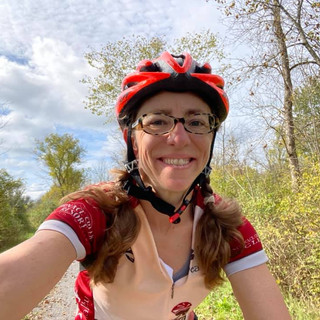
Shan's training has been solid and consistent - mine has been squishy and sporadic (as you can see on Strava here). Once we recovered from COVID, I spent time on the bike trainer in the basement doing intervals, one-legged drills, and steady, monotonous spinning. Once the ice and snow melted, I finally got outside. Our neighborhood has no shortage of hills, so each ride has a leg-burning component to it. I need that extra workout, though, because even with nicer weather, my time in the saddle has been light. I seem to find plenty of non-cycling things to do, such as prep for the expedition, work, and carve out family time. I'm not training quite as much as I should be, but I'm not too concerned. Within the first 10 days of the expedition, I will be in shape whether I want to be or not.
Protecting our important parts

There are three major issues that we worry about when running or cycling for many hours every day - chafing, chafing, and chafing. Luckily, there are some great products out there that will reduce the risk of chafing in sensitive spots - our favorites are 2Toms and Chamois Butt'r. Shan also relies on Tough-Strips Band-Aids to protect his nipples from being rubbed raw and XOSKIN toe socks to reduce the chance of blisters. I will protect my bottom by wearing my favorite chamois-lined cycling shorts by Shebeest, and also wear Pearl iZumi cycling gloves to absorb some of the road vibrations and reduce wrist pain. These preventative measures worked well for us on the Erie Canal trip, so we are hopeful they will work for this expedition, too. Fingers crossed our methods can endure the heat and humidity of the South.
Logistics
We have experience with multi-day expeditions, Shan more than me, of course, but the East Coast Greenway Expedition presents a different kind of challenge. Shan had a support vehicle (the camper van) for his first USA run, so not only did he have a place to sleep, but he was picked up and dropped off at his stopping point each day. Since the East Coast Greenway run is bike-supported, it won't be that straightforward. We probably won't be able to sleep close to his stopping point every day, so that alone will add to our daily miles. Plus, there are a lot of things that could slow us down - mechanical issues, crazy weather, wrong turns/detours, so we can only make lodging plans 1 to 2 days in advance. Each day, we will need to figure out where to eat, do laundry, work, charge computers, shower, and sleep. Since none of this can be done ahead of time, we'll be in "figuring-it-out-as-we-go" mode for the entire 3 months. Even with our amazing spreadsheet and offers of support, we recognize the uncertainty and are prepared to take everything day by day.


Comments